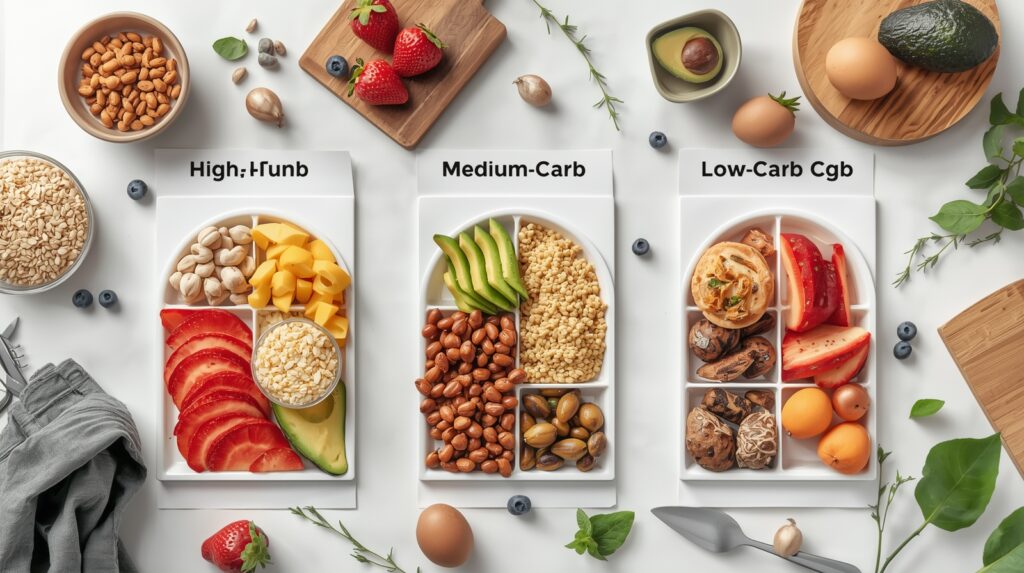

Carb cycling is a structured nutrition approach that alternates carbohydrate intake across the week. It helps manage energy levels, support performance, and promote body composition goals. This plan provides a practical method to balance low, medium, and high carbohydrate days to sustain energy and improve metabolic flexibility.
What Is Carb Cycling
Carb cycling involves adjusting daily carbohydrate intake to align with activity levels. High-carb days supply energy for intense workouts, medium-carb days support recovery, and low-carb days encourage fat utilization. Protein and fat intake remain steady, ensuring muscle repair and hormonal balance.
This method trains the body to use both carbohydrates and fats efficiently, supporting steady performance and long-term sustainability.
Why Use Carb Cycling
- Supports Energy Control:
Carbs are timed around training to prevent fatigue. - Improves Metabolic Efficiency:
The body adapts to using multiple fuel sources. - Maintains Muscle Mass:
Protein intake remains consistent, protecting lean tissue. - Regulates Body Fat:
Lower carb days promote fat oxidation while maintaining overall energy balance.
Macronutrient Overview
Each day is based on a consistent protein target and varying carbohydrate and fat levels.
| Day Type | Carbohydrates | Protein | Fat | Purpose |
|---|---|---|---|---|
| High-Carb | 50-55% | 25-30% | 20% | Support training and recovery |
| Medium-Carb | 35-40% | 30% | 30% | Maintain energy balance |
| Low-Carb | 20-25% | 40% | 35-40% | Encourage fat burning |
Weekly Carb Cycling Schedule
| Day | Type | Goal |
|---|---|---|
| Monday | High-Carb | Strength training |
| Tuesday | Low-Carb | Rest or light cardio |
| Wednesday | Medium-Carb | Moderate workout |
| Thursday | High-Carb | Intense training |
| Friday | Low-Carb | Rest or recovery |
| Saturday | Medium-Carb | Active day or light training |
| Sunday | Low-Carb | Rest or prep day |
Key Foods for Carb Cycling
Carbohydrates: Brown rice, oats, sweet potatoes, whole grains, beans, fruit, vegetables
Proteins: Chicken, fish, eggs, lean beef, tofu, Greek yogurt, legumes
Fats: Olive oil, nuts, seeds, avocado, fatty fish
Hydration: Water, unsweetened tea, electrolyte beverages when training intensely
High-Carb Day Meal Plan
Breakfast:
Oatmeal cooked with milk, topped with banana and almonds
Greek yogurt on the side
Snack:
Apple with peanut butter
Lunch:
Grilled chicken breast, brown rice, and roasted vegetables
Olive oil drizzle for dressing
Snack:
Whole grain toast with hummus
Dinner:
Salmon, sweet potato mash, and green salad
Small portion of whole fruit
Goal: Replenish glycogen and prepare for training sessions
Medium-Carb Day Meal Plan
Breakfast:
Scrambled eggs with spinach and whole grain toast
Snack:
Greek yogurt with oats
Lunch:
Turkey breast, quinoa, and steamed vegetables
Snack:
Cottage cheese with sliced pear
Dinner:
Grilled shrimp with roasted vegetables and olive oil
Goal: Support recovery while keeping energy moderate
Low-Carb Day Meal Plan
Breakfast:
Egg omelet with spinach, mushrooms, and olive oil
Snack:
Mixed nuts and green tea
Lunch:
Baked chicken with broccoli and avocado
Snack:
Hard-boiled eggs
Dinner:
Grilled fish with cauliflower rice and salad
Goal: Reduce carbohydrate intake and enhance fat utilization
Sample Macronutrient Targets
| Day Type | Calories | Carbs (g) | Protein (g) | Fat (g) |
|---|---|---|---|---|
| High-Carb | 2300 | 300 | 150 | 50 |
| Medium-Carb | 2100 | 200 | 160 | 60 |
| Low-Carb | 1900 | 100 | 170 | 80 |
Values can be adjusted for body weight, activity level, and personal goals.
How to Transition into Carb Cycling
- Start Simple:
Introduce one high, one medium, and one low-carb day each week. - Track Progress:
Monitor energy levels, workout performance, and body composition. - Adjust as Needed:
Increase carbs on training days if fatigue occurs or performance declines. - Stay Hydrated:
Water and electrolytes are critical when shifting carbohydrate intake.
Exercise Pairing
- High-Carb Days: Weight training, HIIT, or endurance sessions
- Medium-Carb Days: Moderate workouts, steady cardio, mobility work
- Low-Carb Days: Active rest, stretching, or recovery days
This structure ensures energy matches activity demand.
Benefits of Carb Cycling
- Maintains consistent energy without overreliance on carbohydrates
- Reduces risk of metabolic slowdown during calorie restriction
- Encourages efficient use of stored fat
- Supports lean muscle retention through consistent protein intake
- Creates flexibility in meal planning and food selection
Tips for Sustainable Energy
- Balance Macronutrients Each Meal
Combine carbohydrates, proteins, and fats to maintain blood sugar stability. - Prioritize Whole Foods
Choose unprocessed grains, lean proteins, and healthy fats for long-term results. - Eat Around Workouts
Consume carbohydrates before and after training for energy and recovery. - Avoid Long Fasting Periods
Space meals evenly throughout the day to sustain focus and performance.
How to Plan Your Week
- Batch Cook Grains and Proteins
Prepare rice, oats, chicken, or lentils in advance. - Label Meals by Carb Type
Organize containers by high, medium, or low-carb content. - Rotate Foods
Vary protein and carb sources to maintain nutrition balance. - Track Response
Adjust meal timing or carb levels if energy fluctuates too much.
Grocery List for Carb Cycling
Carbs: Brown rice, quinoa, oats, sweet potatoes, beans, apples, bananas
Proteins: Chicken, turkey, salmon, eggs, tofu, yogurt
Fats: Olive oil, avocado, nuts, chia seeds
Vegetables: Spinach, broccoli, peppers, zucchini, carrots
Other: Herbs, spices, vinegar, lemon juice
Buying in bulk and focusing on staples reduces cost and simplifies prep.
Common Mistakes to Avoid
- Over-Restricting Carbs:
Too few carbohydrates can reduce training quality. - Ignoring Protein:
Inconsistent protein slows recovery. - Neglecting Fat Intake:
Fats are necessary for hormones and energy balance. - Not Hydrating Enough:
Water intake should match activity level and temperature.
Adjusting for Goals
- For Fat Loss:
Keep total calories lower while maintaining carb rotation. - For Muscle Gain:
Increase total calories on high and medium-carb days. - For Maintenance:
Maintain a steady calorie range across all days with balanced carbs.
Monitoring Progress
Track the following weekly:
- Energy during workouts
- Body composition (muscle and fat levels)
- Sleep quality
- Hunger and recovery patterns
If performance drops, slightly raise carb intake or add a refeed day.
Example Training Week Integration
| Day | Training | Carb Level | Purpose |
|---|---|---|---|
| Monday | Strength (legs) | High | Maximize power output |
| Tuesday | Rest | Low | Promote fat utilization |
| Wednesday | Moderate cardio | Medium | Support endurance |
| Thursday | Upper-body training | High | Enhance recovery |
| Friday | Active recovery | Low | Reset metabolism |
| Saturday | Conditioning | Medium | Maintain glycogen |
| Sunday | Rest | Low | Prepare for next week |
Hydration and Electrolytes
Carb cycling affects water balance because glycogen holds water in the muscles. On low-carb days, increase water and add sodium or electrolyte sources. Coconut water, mineral salts, or unsweetened electrolyte drinks help maintain balance.
Long-Term Sustainability
Carb cycling works best when integrated gradually. Once adapted, it can be maintained indefinitely without strict dieting. Emphasis remains on food quality and consistent routine rather than rigid restriction.
Carb cycling provides structure for balancing energy and supporting training performance. By alternating carbohydrate intake across the week, it aligns nutrition with physical activity and recovery. This approach allows flexibility, supports metabolic health, and sustains energy efficiently. Consistency in protein, hydration, and meal timing ensures results over time.