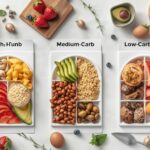

A personalized nutrition plan provides structure for daily eating that aligns with individual goals, body composition, and lifestyle. Rather than following generic diets, building a tailored plan ensures consistent energy, proper nutrient balance, and measurable progress. This guide explains how to design a sustainable plan that fits personal needs and supports both performance and health.
Understanding Personal Nutrition Needs
Every person’s nutritional requirements vary based on age, activity level, metabolism, and goals. Before designing a plan, identify your purpose. Common objectives include:
- Improving body composition
- Increasing energy and focus
- Supporting training recovery
- Managing weight
- Balancing blood sugar levels
Understanding your reason for change creates a framework for the plan that follows.
Step 1: Assess Current Eating Habits
Start by documenting current intake. Keep a food log for three to five days, including meals, snacks, and beverages. Record:
- Time and portion of each meal
- Hunger and fullness levels
- Energy levels after eating
This record helps identify patterns such as skipped meals, irregular timing, or excess processed food. Recognizing these trends is essential before adjustments are made.
Step 2: Calculate Calorie Needs
Total daily energy expenditure (TDEE) represents how many calories the body uses in a day. It combines:
- Basal Metabolic Rate (BMR): Energy required at rest
- Physical Activity: Exercise and daily movement
- Thermic Effect of Food: Energy used for digestion
Use an online TDEE calculator or formula such as the Mifflin-St Jeor equation. Once estimated:
- For fat loss, aim for 10–20% fewer calories than TDEE
- For muscle gain, aim for 10–15% more calories
- For maintenance, match intake to TDEE
Step 3: Set Macronutrient Ratios
Macronutrients include carbohydrates, proteins, and fats. Balance among them depends on activity type and metabolic response.
General Framework:
- Carbohydrates: 40–50% of total calories
- Protein: 25–35%
- Fat: 20–30%
Adjustments by Goal:
- Strength athletes or endurance trainers may increase carbohydrates
- Those focusing on fat loss may increase protein and reduce carbohydrates slightly
Tracking macronutrients ensures consistent fuel, recovery, and hormonal balance.
Step 4: Identify Key Food Sources
Whole, nutrient-dense foods should form the foundation of the plan. Build a list of go-to items for each macronutrient category.
Carbohydrates: Whole grains, fruits, legumes, oats, potatoes, vegetables
Protein: Chicken, fish, lean meat, eggs, tofu, lentils, Greek yogurt
Fats: Olive oil, nuts, seeds, avocado, fatty fish
Select foods you enjoy and tolerate well. Variety improves nutrient coverage and prevents monotony.
Step 5: Structure Meal Timing
Meal timing influences energy stability and digestion. The number of meals depends on personal preference and schedule, but consistency matters more than frequency.
General Guidelines:
- Eat every 3–4 hours
- Include a source of protein in each meal
- Combine carbohydrates and fats based on activity timing
Example Daily Structure:
- Breakfast: After waking to start metabolism
- Lunch: Midday for sustained energy
- Dinner: Balanced meal with lighter carbs if inactive in the evening
- Snacks: Between meals to manage hunger
Step 6: Plan Around Activity Levels
Nutrition should align with activity intensity.
Training Days:
- Include more carbohydrates before and after workouts for performance and recovery
- Prioritize lean protein to repair muscle tissue
Rest Days:
- Focus on protein and vegetables
- Slightly reduce carbohydrates to maintain energy balance
Adjusting intake by activity ensures proper fueling and recovery.
Step 7: Include Micronutrients
Vitamins and minerals support metabolism, immunity, and muscle function. Incorporate a variety of fruits and vegetables to cover nutrient needs.
Key Nutrients for Active Individuals:
- Iron: Found in spinach, legumes, and lean meats
- Magnesium: Present in nuts, seeds, and whole grains
- Calcium: From dairy, fortified milk, or leafy greens
- Vitamin D: From sunlight exposure and fortified foods
- Omega-3 Fatty Acids: From fish and flaxseeds
Monitor intake through diet variety rather than supplements unless prescribed.
Step 8: Prepare Meals in Advance
Meal preparation prevents missed meals and impulsive eating.
Steps for Effective Meal Prep:
- Choose two days weekly for batch cooking.
- Cook grains, proteins, and vegetables in bulk.
- Portion meals in containers for convenience.
- Store 2–3 days of meals in the refrigerator.
Meal prep builds consistency and supports adherence to your nutrition plan.
Step 9: Stay Hydrated
Water supports digestion, metabolism, and energy levels. The average recommendation is 30–35 milliliters per kilogram of body weight daily. Increase intake in hot conditions or during intense training.
Include:
- Water throughout the day
- Herbal teas for variety
- Electrolyte beverages for long workouts
Avoid excessive caffeine or sugary drinks that cause dehydration.
Step 10: Monitor and Adjust
A personalized plan evolves over time. Track progress using measurable indicators:
- Body composition
- Energy levels
- Strength and endurance
- Sleep and digestion quality
If progress stalls, adjust calorie intake by 5–10% or review macronutrient balance. Keep protein consistent while modifying carbs or fats based on performance.
Building a Personalized Sample Plan
Below is a structured example of how a personalized nutrition plan can look for an active individual aiming for balanced energy and performance.
| Meal | Example | Macronutrient Focus |
|---|---|---|
| Breakfast | Oatmeal with milk, banana, and almonds | Carbohydrates and protein |
| Snack | Greek yogurt with berries | Protein and light carbs |
| Lunch | Grilled chicken with brown rice and mixed vegetables | Balanced macronutrients |
| Snack | Handful of nuts and apple | Healthy fats and fiber |
| Dinner | Baked fish, quinoa, and steamed broccoli | Protein and moderate carbs |
| Evening Snack (optional) | Cottage cheese | Protein for overnight repair |
Portions should match calorie and macronutrient goals determined earlier.
Special Considerations
1. Food Allergies and Sensitivities
Replace common triggers such as dairy or gluten with suitable alternatives like almond milk or quinoa.
2. Lifestyle Constraints
If work hours are long, use portable foods such as protein bars, wraps, or overnight oats.
3. Cultural and Ethical Preferences
Vegetarian or vegan diets can align with personalized plans through diverse plant proteins and fortified foods.
How to Track Progress
Monitoring ensures that the plan produces results. Use one or more of the following methods:
- Body measurements or photos taken every two weeks
- Training performance logs
- Sleep tracking apps or journals
- Simple food tracking apps to maintain awareness
Avoid obsessive measurement. The goal is consistency and gradual improvement.
Common Mistakes to Avoid
- Following Trend Diets:
Generic plans often overlook individual needs. - Ignoring Protein Intake:
Insufficient protein slows recovery and muscle repair. - Overcomplicating the Process:
Simplicity ensures adherence and long-term consistency. - Neglecting Sleep and Stress:
Nutrition alone cannot offset lack of recovery. - Not Planning for Flexibility:
Include room for occasional variation without guilt.
Sustainable Habits for Long-Term Success
A personalized nutrition plan is not temporary. Build sustainable habits that last.
- Continue meal prepping weekly.
- Eat slowly to recognize hunger and fullness cues.
- Choose seasonal produce for freshness and cost efficiency.
- Adjust calorie needs as body composition changes.
- Reevaluate goals every three to six months.
Consistency builds results more effectively than strict short-term diets.
Adapting to Changes in Goals
Nutrition evolves with lifestyle and activity changes.
- During intense training cycles: Increase carbohydrates and fluids.
- During rest phases: Focus on recovery foods and vegetables.
- During travel or busy periods: Use simple meals that require minimal preparation.
Flexibility ensures your plan remains practical and sustainable.
Importance of Professional Guidance
Consulting a registered dietitian or sports nutritionist helps refine macronutrient ratios and detect nutrient deficiencies. Professional input ensures safety for those with medical conditions or advanced training programs.
The Role of Mindful Eating
Mindful eating supports better digestion and portion control. Strategies include:
- Eating without distractions
- Chewing thoroughly
- Pausing between bites
- Recognizing hunger signals
This habit aligns the body’s feedback with energy requirements.
Integrating Nutrition with Lifestyle
A successful plan supports overall lifestyle rather than disrupts it. Combine proper nutrition with:
- Regular physical activity
- Adequate rest
- Stress management techniques
- Time for recovery and relaxation
This combination sustains progress and prevents burnout.
Example Weekly Framework
| Day | Focus | Notes |
|---|---|---|
| Monday | Balanced energy | Maintain stable intake |
| Tuesday | High-carb (training) | Pre- and post-workout fueling |
| Wednesday | Moderate-carb | Maintain rhythm |
| Thursday | High-protein | Focus on recovery |
| Friday | Balanced | Support active lifestyle |
| Saturday | Flexible | Include favorite foods in moderation |
| Sunday | Prep and review | Plan meals for next week |
Cost Management Tips
A personalized plan can be affordable with practical strategies:
- Buy grains, legumes, and frozen vegetables in bulk
- Prepare homemade snacks instead of packaged ones
- Cook larger portions and refrigerate leftovers
- Plan grocery trips with a list to avoid waste
Efficient shopping supports both nutrition and budgeting goals.
A personalized nutrition plan aligns eating patterns with unique goals and daily routines. By assessing current habits, calculating energy needs, and structuring macronutrients, anyone can create a plan that delivers consistent results. The focus remains on balance, preparation, and long-term sustainability. Regular evaluation and mindful adjustments maintain progress, ensuring the plan continues to work as individual needs evolve.