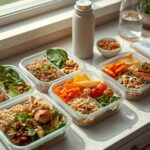

Muscle development depends on two primary factors: resistance training and nutrition. The human body requires an adequate protein intake to repair muscle fibers and promote lean tissue growth. This guide explains how to structure high-protein meals that support muscle gain, with practical examples for daily eating patterns. The approach is based on nutrient balance, consistency, and timing rather than restrictive dieting.
The Role of Protein in Muscle Growth
Protein provides amino acids that repair muscle tissue damaged during training. Consistent intake of complete proteins ensures that muscle protein synthesis exceeds breakdown. When this balance remains positive, lean muscle increases over time.
An effective high-protein meal plan distributes protein evenly throughout the day. This supports recovery, maintains energy, and helps prevent muscle loss. The goal is to consume between 1.6 to 2.2 grams of protein per kilogram of body weight daily for muscle gain.
Key Nutrients for Building Lean Muscle
1. Protein Sources
High-quality proteins provide all essential amino acids. Common sources include:
- Chicken breast
- Turkey
- Fish such as salmon, tuna, and cod
- Eggs and egg whites
- Greek yogurt
- Lean beef
- Plant-based proteins such as lentils, tofu, and quinoa
2. Carbohydrates
Carbohydrates replenish glycogen stores and provide training fuel. Choose complex carbohydrates such as oats, brown rice, sweet potatoes, and whole grains to sustain energy without blood sugar spikes.
3. Healthy Fats
Fats support hormone production and overall health. Include sources such as olive oil, nuts, seeds, avocados, and fatty fish.
4. Hydration and Micronutrients
Water assists nutrient transport and recovery. Micronutrients from fruits and vegetables supply vitamins and minerals critical for metabolism and muscle function.
Structuring a High-Protein Meal Plan
A successful meal plan includes four to five eating occasions daily. Each meal should combine protein with complex carbohydrates and healthy fats. Below is an example one-day plan that can be scaled or repeated with variations.
Sample High-Protein Meal Plan for Muscle Gain
Meal 1: Breakfast
Goal: Start the day with sustained energy and protein for muscle repair.
Menu Example:
- 3 whole eggs and 3 egg whites scrambled
- 1 serving of oats with milk or a plant-based alternative
- 1 banana
Nutritional Focus:
The eggs deliver complete protein, while oats and banana provide slow-digesting carbohydrates to fuel the morning.
Meal 2: Mid-Morning Snack
Goal: Maintain amino acid levels between main meals.
Menu Example:
- Greek yogurt (200 grams)
- Mixed nuts (handful)
Nutritional Focus:
Yogurt provides casein and whey proteins, offering both fast and slow digestion. Nuts contribute fats that slow absorption for steady energy.
Meal 3: Lunch
Goal: Support midday recovery and maintain energy levels.
Menu Example:
- 150 grams grilled chicken breast
- 1 cup cooked brown rice
- 1 cup steamed broccoli
Nutritional Focus:
Chicken provides lean protein with minimal fat. Brown rice supplies complex carbohydrates, while broccoli contributes fiber and micronutrients.
Meal 4: Pre-Workout Snack
Goal: Provide fuel for training and prepare muscles for repair.
Menu Example:
- Whey protein shake (25–30 grams protein)
- 1 medium apple or small portion of oats
Nutritional Focus:
The protein shake delivers fast-digesting amino acids, and carbohydrates enhance workout performance.
Meal 5: Post-Workout Recovery
Goal: Accelerate muscle repair and glycogen replenishment.
Menu Example:
- Whey protein shake (25–30 grams protein)
- 1 serving of white rice or a baked potato
- 1 small portion of vegetables
Nutritional Focus:
Fast-digesting protein and carbohydrates promote efficient recovery after training.
Meal 6: Dinner
Goal: Support overnight recovery with slow-digesting nutrients.
Menu Example:
- 150 grams salmon or tofu
- 1 serving of quinoa
- Mixed salad with olive oil
Nutritional Focus:
Salmon provides omega-3 fatty acids, while quinoa adds complete plant-based protein and carbohydrates.
Optional Evening Snack
Goal: Prevent overnight muscle breakdown.
Menu Example:
- Cottage cheese (150 grams)
- A few almonds
Nutritional Focus:
Cottage cheese contains casein, a slow-digesting protein ideal before sleep.
Adjusting the Meal Plan
Caloric Intake
Muscle gain requires a calorie surplus. Add 250 to 500 calories daily beyond maintenance level. Monitor progress weekly to avoid excessive fat gain.
Macronutrient Ratios
A balanced starting point for building lean muscle is:
- Protein: 30–35% of total calories
- Carbohydrates: 45–50%
- Fat: 20–25%
Meal Timing
Spacing meals every 3 to 4 hours ensures steady nutrient availability. Consistent timing supports digestion and stable energy.
Meal Prep Strategies for Busy Schedules
- Cook proteins in bulk such as grilled chicken, turkey, or tofu.
- Portion meals in containers for 2–3 days at a time.
- Keep easy snacks like protein bars, nuts, or boiled eggs ready.
- Use shakes or smoothies when whole meals are not possible.
- Stay consistent with hydration through reusable bottles.
Importance of Sleep and Recovery
Muscle repair occurs during rest. Aim for 7 to 9 hours of sleep each night. Inadequate rest disrupts hormonal balance and limits protein synthesis. Include light stretching and rest days to prevent overtraining.
Tracking Progress
Monitor muscle gain through measurements, photos, or training logs rather than scale weight alone. Track macronutrient intake with apps or journals to maintain consistency. Adjust calorie intake if progress stalls for two consecutive weeks.
Supplement Considerations
Supplements can support a whole-food diet but should not replace it. Common options include:
- Whey protein: Quick digesting for post-workout recovery.
- Creatine monohydrate: Increases strength and muscle volume.
- BCAAs: Support muscle preservation during fasting or training.
- Omega-3 fish oil: Promotes recovery and joint health.
Common Mistakes to Avoid
- Skipping meals due to time constraints.
- Relying heavily on processed protein bars or shakes.
- Neglecting hydration and fiber intake.
- Overeating under the assumption that all calories contribute to muscle.
Long-Term Maintenance
Once desired muscle gain is achieved, adjust calorie intake to maintenance level to preserve lean mass. Maintain high protein intake and balanced macronutrients. Continue structured training with progressive overload.
Building lean muscle requires a consistent high-protein diet, structured meal timing, and proper recovery. This meal plan provides a practical foundation for individuals seeking muscle gain without unnecessary complexity. Success comes from discipline, consistency, and attention to nutritional balance over time.