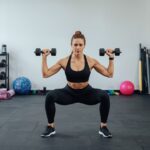

A consistent fitness plan does not require a gym or specialized equipment. With structure, focus, and progressive routines, bodyweight exercises can build strength, endurance, and stability. This 30-day home fitness program provides a balanced approach using only your body weight and basic space at home. The plan is designed for all fitness levels and supports gradual progression without overtraining.
Understanding Bodyweight Training
Bodyweight training uses the body as resistance to improve muscular control, coordination, and balance. It targets major muscle groups through functional movements that reflect daily activity patterns. Regular practice helps enhance metabolism, joint strength, and endurance.
Key Benefits
- Accessibility: Requires no equipment and can be done in limited space.
- Scalability: Exercises can be modified for intensity or duration.
- Efficiency: Combines strength and cardio movements in short sessions.
- Consistency: Encourages daily activity without dependence on facilities.
How to Use This Program
- Duration: 30 days divided into four progressive phases.
- Session Time: 25 to 40 minutes daily.
- Schedule: Five active days per week with two rest or recovery days.
- Goal: Improve total-body strength, stability, and cardiovascular endurance.
Each phase builds on the previous one by increasing intensity, duration, or complexity of movement.
Phase 1: Foundation (Days 1–7)
The first week establishes technique, posture, and movement control. Focus on slow, controlled repetitions and breathing.
Daily Routine
- Warm-Up (5 minutes): Arm circles, hip rotations, light jogging in place.
- Main Workout:
- Bodyweight squats – 3 sets of 12
- Incline push-ups (on wall or table) – 3 sets of 10
- Glute bridges – 3 sets of 12
- Plank hold – 3 sets of 20 seconds
- Standing march or light jog – 3 minutes
Rest Days
Day 4 and Day 7. Use stretching or walking for active recovery.
Focus
Learn form, maintain breathing rhythm, and build stability in core and lower body.
Phase 2: Endurance Development (Days 8–14)
In the second week, repetition volume and movement speed increase to build endurance.
Daily Routine
- Warm-Up: 5 minutes dynamic movements
- Main Workout:
- Jump squats or regular squats – 3 sets of 15
- Regular push-ups – 3 sets of 10
- Forward lunges – 3 sets of 10 per leg
- Mountain climbers – 3 sets of 20 seconds
- Side plank – 2 sets of 20 seconds each side
Rest Days
Day 11 and Day 14. Include gentle yoga or mobility drills.
Focus
Increase stamina while maintaining control. Adjust reps as needed but complete all sets.
Phase 3: Strength and Core Progression (Days 15–21)
This phase builds strength and enhances coordination through compound bodyweight exercises.
Daily Routine
- Warm-Up: 5 minutes brisk walking or step-ups
- Main Workout:
- Bulgarian split squats (using a chair) – 3 sets of 10 per leg
- Decline push-ups (feet elevated) – 3 sets of 10
- Reverse plank – 3 sets of 20 seconds
- Burpees – 3 sets of 8
- Sit-ups or crunches – 3 sets of 15
Rest Days
Day 18 and Day 21. Use foam rolling or deep stretching.
Focus
Improve muscle engagement and stability through controlled tempo.
Phase 4: Performance and Conditioning (Days 22–30)
The final phase combines strength, agility, and cardio endurance. Workouts are circuit-based for higher intensity.
Daily Routine
- Warm-Up: 5 minutes (high knees, arm swings, side lunges)
- Main Workout Circuit:
- Jump squats – 15 reps
- Push-ups – 10 reps
- Alternating lunges – 12 reps per leg
- Plank shoulder taps – 20 seconds
- Burpees – 10 reps
- Rest 1 minute
Repeat circuit 3–4 times.
Cool Down
Stretch major muscle groups for 5–7 minutes after each workout.
Focus
Push intensity while keeping proper form. Use breathing to control pace and recovery.
Weekly Schedule Example
| Day | Workout Type | Focus |
|---|---|---|
| 1 | Full Body | Technique |
| 2 | Lower Body | Legs and Glutes |
| 3 | Upper Body | Arms and Core |
| 4 | Rest | Recovery |
| 5 | Core & Cardio | Stability |
| 6 | Full Body | Balance |
| 7 | Rest | Flexibility |
Repeat the same weekly rhythm, increasing difficulty each phase.
Exercise Descriptions
1. Squat
Stand with feet shoulder-width apart. Lower hips until thighs are parallel to the floor, then return to standing. Maintain an upright spine.
2. Push-Up
Place hands slightly wider than shoulders. Lower the body until chest nears the ground, then press upward. Keep the core tight.
3. Plank
Support the body on forearms and toes. Keep hips aligned with shoulders and hold position while breathing steadily.
4. Lunge
Step one foot forward, lower both knees to 90 degrees, and return to standing. Alternate legs.
5. Burpee
Begin standing, drop into a squat, place hands on the floor, jump back to a plank, perform a push-up, return to squat, then jump upward.
6. Mountain Climber
From a plank position, alternate bringing knees toward the chest at a steady pace.
Nutrition and Recovery Guidelines
Nutrition supports performance and recovery during the 30-day plan.
- Hydration: Maintain consistent water intake throughout the day.
- Balanced Meals: Include lean proteins, whole grains, fruits, and vegetables.
- Timing: Eat a light meal or snack before workouts for energy.
- Sleep: Aim for consistent rest for muscle repair.
Recovery is essential for progress. Stretch after every workout and avoid skipping rest days.
Tracking Progress
Track measurable aspects of performance:
- Total repetitions completed per exercise.
- Duration of plank or other holds.
- Rest time between sets.
- Body measurements or energy levels weekly.
Consistency and awareness encourage steady progress.
Adapting After 30 Days
After completing the program:
- Add new variations such as single-leg squats or pike push-ups.
- Combine circuits for extended workouts.
- Maintain at least three weekly sessions for sustainability.
Progressive overload ensures continued strength and endurance growth.
Common Mistakes to Avoid
- Skipping Warm-Ups: Increases risk of injury.
- Rushing Repetitions: Reduces effectiveness and control.
- Ignoring Recovery: Causes fatigue and stalls progress.
- Lack of Consistency: Breaks momentum needed for adaptation.
Bodyweight training provides an effective and sustainable path to fitness without dependence on a gym or equipment. This 30-day home fitness program establishes a foundation of strength, endurance, and discipline. By following structured routines, practicing proper form, and maintaining consistency, anyone can improve total-body fitness from home.