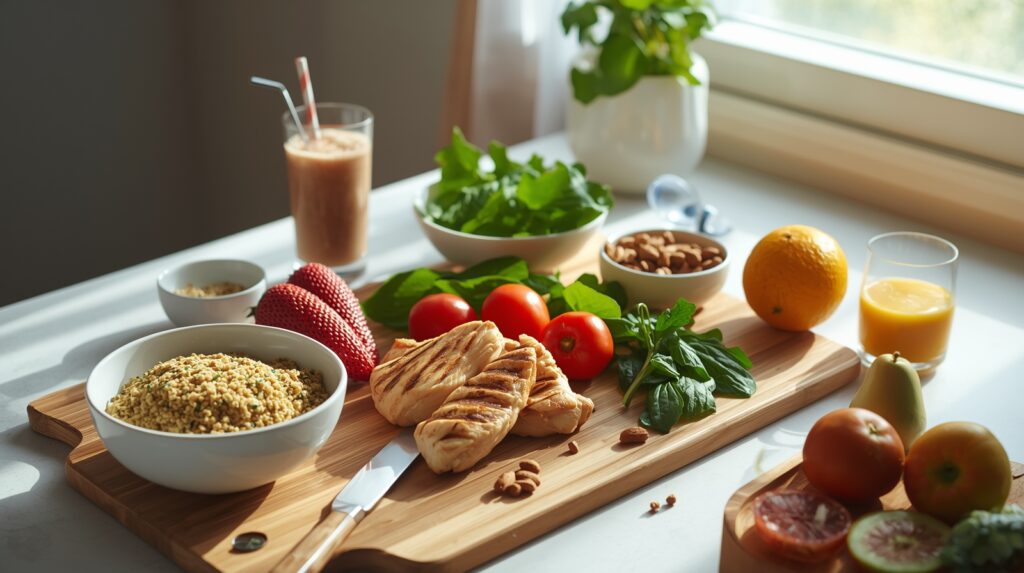

A clean eating meal plan supports health by focusing on whole foods and natural ingredients. This 10-day clean eating meal plan provides a structured guide to reset eating habits, stabilize energy, and promote balance through real food. The plan includes three meals each day and emphasizes simple preparation, accessible ingredients, and consistent routines.
The goal is not restriction but clarity. Each day is designed to reduce processed food, refined sugar, and artificial ingredients. The approach helps the body function efficiently by supplying balanced macronutrients and supporting digestion.
This guide outlines ten full days of meals, followed by preparation tips and guidance on maintaining clean eating beyond the plan.
Day 1
Breakfast:
Oatmeal cooked with rolled oats, unsweetened almond milk, chia seeds, and sliced banana.
Lunch:
Grilled chicken with quinoa, spinach, cucumber, and olive oil dressing.
Dinner:
Baked salmon with steamed broccoli and brown rice.
Notes:
Drink plenty of water throughout the day. Limit caffeine to one cup of coffee or tea.
Day 2
Breakfast:
Greek yogurt with mixed berries and a spoonful of ground flaxseed.
Lunch:
Whole grain wrap filled with hummus, roasted vegetables, and baby greens.
Dinner:
Stir-fried tofu with brown rice, bell peppers, and snap peas cooked in olive oil and garlic.
Notes:
Add a handful of nuts as a mid-afternoon snack if needed.
Day 3
Breakfast:
Smoothie made with spinach, frozen berries, protein powder, and unsweetened oat milk.
Lunch:
Lentil soup with carrots, celery, onion, and herbs. Serve with a slice of whole grain bread.
Dinner:
Baked chicken breast with roasted sweet potatoes and green beans.
Notes:
Stay consistent with meal timing to support digestion.
Day 4
Breakfast:
Two boiled eggs with avocado and whole grain toast.
Lunch:
Quinoa salad with chickpeas, tomato, cucumber, lemon juice, and olive oil.
Dinner:
Grilled shrimp with steamed asparagus and wild rice.
Notes:
Include a short walk or light exercise after dinner.
Day 5
Breakfast:
Overnight oats made with oats, almond milk, chia seeds, and apple slices.
Lunch:
Turkey and vegetable stir-fry with brown rice.
Dinner:
Baked cod with roasted vegetables and a small portion of quinoa.
Notes:
Focus on hydration. Add lemon slices to water for variety.
Day 6
Breakfast:
Smoothie bowl with blended banana, spinach, and protein powder, topped with sliced almonds.
Lunch:
Whole grain pasta with tomato sauce, olive oil, and steamed vegetables.
Dinner:
Grilled chicken with a side of roasted Brussels sprouts and sweet potato mash.
Notes:
Prepare ingredients in advance for smoother evenings.
Day 7
Breakfast:
Steel-cut oats with cinnamon, walnuts, and blueberries.
Lunch:
Tuna salad with mixed greens, olive oil, and lemon dressing.
Dinner:
Vegetable curry with lentils and brown rice.
Notes:
Reflect on the week’s progress. Identify meals that worked best.
Day 8
Breakfast:
Chia pudding made with coconut milk and topped with sliced strawberries.
Lunch:
Grilled chicken wrap with hummus, lettuce, and tomato.
Dinner:
Baked tofu with roasted cauliflower and quinoa.
Notes:
Limit added salt and rely on herbs for flavor.
Day 9
Breakfast:
Scrambled eggs with spinach and mushrooms.
Lunch:
Vegetable soup with a side of brown rice or whole grain bread.
Dinner:
Baked salmon with roasted carrots and asparagus.
Notes:
Stay consistent with water intake. Avoid sugary beverages.
Day 10
Breakfast:
Smoothie with banana, almond butter, spinach, and oat milk.
Lunch:
Quinoa bowl with black beans, corn, avocado, and lime juice.
Dinner:
Grilled chicken or tofu with steamed vegetables and brown rice.
Notes:
Reflect on changes in energy and digestion over the 10 days.
Clean Eating Principles
- Whole Foods First:
Prioritize fruits, vegetables, lean proteins, whole grains, and healthy fats. - Limit Processed Foods:
Avoid items with long ingredient lists or added sugar. - Cook at Home:
Preparing meals allows full control over ingredients. - Balanced Nutrition:
Each meal should include a source of protein, complex carbohydrates, and fat. - Hydration:
Aim for 2 to 3 liters of water per day. - Consistent Timing:
Eat meals at regular intervals to maintain stable energy.
Meal Prep and Organization
Clean eating is easier with preparation. Dedicate one or two sessions each week to meal prep. Pre-cook grains, chop vegetables, and portion proteins in advance. Store them in containers for quick assembly.
Labeling meals by day helps maintain structure. Keeping ingredients visible in the refrigerator encourages better choices.
A grocery list for the 10-day clean eating meal plan may include:
- Fresh fruits and vegetables
- Lean proteins (chicken, fish, tofu, eggs)
- Whole grains (quinoa, brown rice, oats)
- Legumes (lentils, chickpeas, black beans)
- Healthy fats (olive oil, nuts, seeds, avocado)
- Unsweetened plant-based milks
- Herbs and spices for flavor
Tips for a Successful 10-Day Reset
- Start Simple:
Choose recipes that match your cooking comfort level. - Stay Consistent:
Avoid skipping meals to maintain stable energy. - Mindful Eating:
Focus on portion size and eat slowly to support digestion. - Track Progress:
Keep a brief journal of meals, mood, and energy levels. - Adjust as Needed:
If a meal does not fit your schedule or preference, swap with another day’s meal. - Avoid Added Sugars:
Choose natural sources of sweetness from fruit when needed. - Rest and Recovery:
Combine clean eating with sufficient sleep and movement.
Nutritional Balance Overview
The 10-day clean eating meal plan delivers a balance of macronutrients:
- Protein: From chicken, fish, tofu, legumes, and eggs.
- Carbohydrates: From whole grains, fruits, and vegetables.
- Fats: From nuts, seeds, olive oil, and avocado.
Micronutrient intake remains high through diverse plant foods. The plan supports stable blood sugar levels, steady energy, and healthy digestion.
Adapting the Plan
After completing 10 days, extend the approach by repeating or rotating meals. Clean eating can continue long-term by introducing seasonal foods and trying new combinations.
For specific health conditions, consult a healthcare professional or dietitian before making permanent dietary changes. The plan provides a framework that can be adapted to meet personal needs, such as higher protein intake, vegetarian preferences, or specific calorie targets.
Long-Term Maintenance
Clean eating becomes sustainable when integrated into daily habits. Continue focusing on fresh, whole ingredients. Plan grocery trips weekly and maintain a list of staple foods. Batch cooking on weekends reduces reliance on convenience items during the week.
Healthy eating also includes flexibility. Occasional treats fit within a balanced approach when mindful choices guide the process. The goal is progress, not perfection.
Conclusion
The 10-day clean eating meal plan serves as a practical reset for better nutrition. Each day combines balanced meals built from whole ingredients and steady routines. The plan emphasizes structure, preparation, and awareness of food choices.
By following the guide for 10 days, individuals experience greater control over eating patterns and a stronger connection to food quality. The principles learned through clean eating can continue beyond the plan, forming a foundation for lasting wellness.